
COMPARING THE EFFECTS OF EATING WEED VS SMOKING WEED
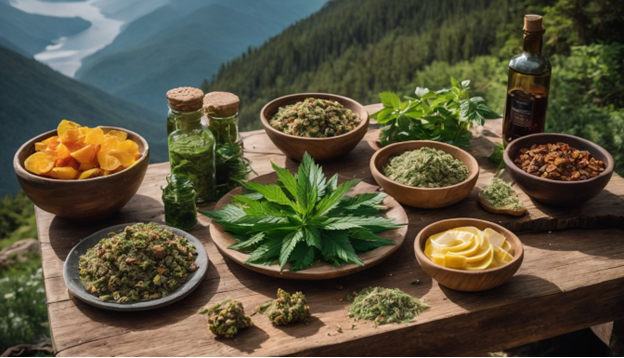
Many people wonder how eating weed is different from smoking it. It’s a fact that the way you consume marijuana can change its effects on your body. Our article breaks down these differences, from how quickly you feel high to what health impacts it might have.
Keep reading to see which method suits you best!
Smoking Weed vs Eating Weed: Comparison of Effects
When comparing the effects of smoking weed versus eating weed, it is important to consider the speed of onset, duration and intensity of the high Edible VS Joint. Both methods have different impacts on the body and mind, which can affect users in varying ways.
Speed of Onset
Speed of onset refers to how quickly you feel the effects of cannabis after consumption. Smoking marijuana or vaping cannabis delivers THC directly into your bloodstream through your lungs, typically producing effects within minutes.
Inhaling allows the THC to hit your brain almost as fast as it enters your blood, leading to a rapid onset of feelings like euphoria or relaxation.
In contrast, ingesting cannabis in the form of edibles demands patience. The impact of edible marijuana unfolds much more slowly because THC must first travel through your digestive system.
After eating weed-infused products, it can take anywhere from 30 minutes to two hours before you notice any effect. Your liver then metabolizes the THC into a compound that is both stronger and lasts longer than when you smoke or vape, which accounts for not only the delayed onset but also differences in intensity and duration compared to other methods of cannabis consumption.
Duration of High
Consuming marijuana products in edible form typically results in a longer duration of high compared to smoking. When THC is ingested, it is processed by the liver and converted into 11-hydroxy-THC, a compound with potent psychoactive effects.
This metabolite has a slower onset but delivers an extended and intense high that can last for several hours.
Edible THC takes longer to reach peak levels in the bloodstream, leading to a more gradual onset of effects than smoking weed. After ingestion, the high gradually builds up over 1-2 hours and peaks at around 3-4 hours before slowly tapering off.
Intensity of High
When comparing the effects of eating weed versus smoking it, the intensity of high differs significantly. Smoking weed often leads to a more immediate and intense high due to the rapid absorption of THC into the bloodstream through the lungs.
Users generally experience a quick onset of euphoria, heightened sensory perception, and altered time perception within minutes of smoking. On the other hand, consuming edibles results in a slower release of THC into the bloodstream as it must pass through the digestive system before entering circulation.
This delayed absorption can lead to a gradual but potentially stronger and longer-lasting high compared to smoking.
Health Benefits and Risks: Smoking vs Eating Weed
– Smoking weed can have negative effects on lung health due to the inhalation of smoke, while eating weed may bypass this risk altogether.
– Metabolism and digestion play a role in how the body processes THC, which differs between smoking and eating methods.
Lung Health
Smoking weed can have negative effects on lung health. Inhaling smoke, whether from marijuana or tobacco, can irritate the lungs and lead to respiratory issues over time. Continuous exposure to smoke may increase the risk of bronchitis, chronic coughing, and phlegm production in the airways.
Eating weed, on the other hand, eliminates the potential harm caused by inhaling smoke. By bypassing the respiratory system altogether, consuming cannabis edibles reduces the risk of lung irritation and long-term damage associated with smoking.
This makes edibles a preferable option for those concerned about their lung health when using marijuana products.
Metabolism and Digestion
After understanding the impact on lung health, it’s crucial to consider how the body processes cannabis when consumed through smoking or ingesting edibles. When marijuana is smoked, THC rapidly enters the bloodstream through the lungs, leading to a quick onset of effects.
In contrast, edible THC must first pass through the digestive system and liver before entering the bloodstream. This delayed process means that ingestion results in a slower onset of effects compared to smoking.
Metabolism also plays a vital role in how long and intense the high from consuming cannabis lasts. By being metabolized in the stomach and then processed by the liver, edibles can lead to a more prolonged and potent high due to their conversion into 11-hydroxy-THC, which has stronger psychoactive properties than delta-9-THC found in smoked marijuana.
Dosing and Safety
When considering dosing and safety, it’s essential to note that consuming edibles can lead to delayed effects due to the digestion process. Start with a low dose and wait at least 2 hours before taking more, as overconsumption can result in uncomfortable highs.
Always follow recommended serving sizes on edible packaging and store them securely away from children or pets to ensure safety.
For smoking weed, it’s important to be mindful of the potency of the strain being consumed. Different strains have varying levels of THC and CBD content, so start with a small amount and gradually increase if needed.
Conclusion
In conclusion, the effects of eating weed and smoking weed have been compared in this article. Understanding the differences in speed of onset, duration and intensity of high is crucial.
The practicality and efficiency of these consumption methods have been highlighted for readers to consider. Have you thought about how these approaches can enhance your cannabis experience? Emphasizing the importance of making informed choices when consuming marijuana products is essential.
Further reading on this topic can provide valuable insights into maximizing the benefits while minimizing risks.